Showing posts with label greens. Show all posts

Monday, October 14, 2024

Growing Greens In the Fall


You may remember that I shared this photo of the garden that my son built. It was a big project, and he didn't finish it until the end of the summer. Although he has never gardened before, he was pleased to find out that he could actually still attempt to grow some fall crops before closing shop for the winter.


Someone gifted him the sign 

Although the days are shorter and the air is crisper, fall offers a wonderful opportunity to plant a garden. While many think of spring as the prime planting season, autumn is perfect for growing a variety of hardy crops, especially leafy greens.

My son was a little too late to start his fall crops from seed, so he found a farm selling tiny starter plants which included lettuce, Swiss chard, carrots, cauliflower, Brussels sprouts, kale, dandelion greens, and some herbs - all fall crops.


Vegetable Garden Now in Bloom 

It has now been 6 weeks since I first shared his plantings, and the garden is now flourishing. I went over this morning to pick lettuce, kale, dandelion greens, and Swiss chard. 

Free Food Lactuca Sativa photo and picture

Unfortunately, his radishes and cauliflower didn't seem to want to develop: there were plants but no bulbs. It is something he will have to figure out for next growing season. 

Free Chard Nature photo and picture
Swiss Chard

I looked it up and the reason the radishes bulbs never developed, and it may be that they were planted too close together, the soil many be too acidic, or since it is a first time garden, the soil may not be loose enough. 

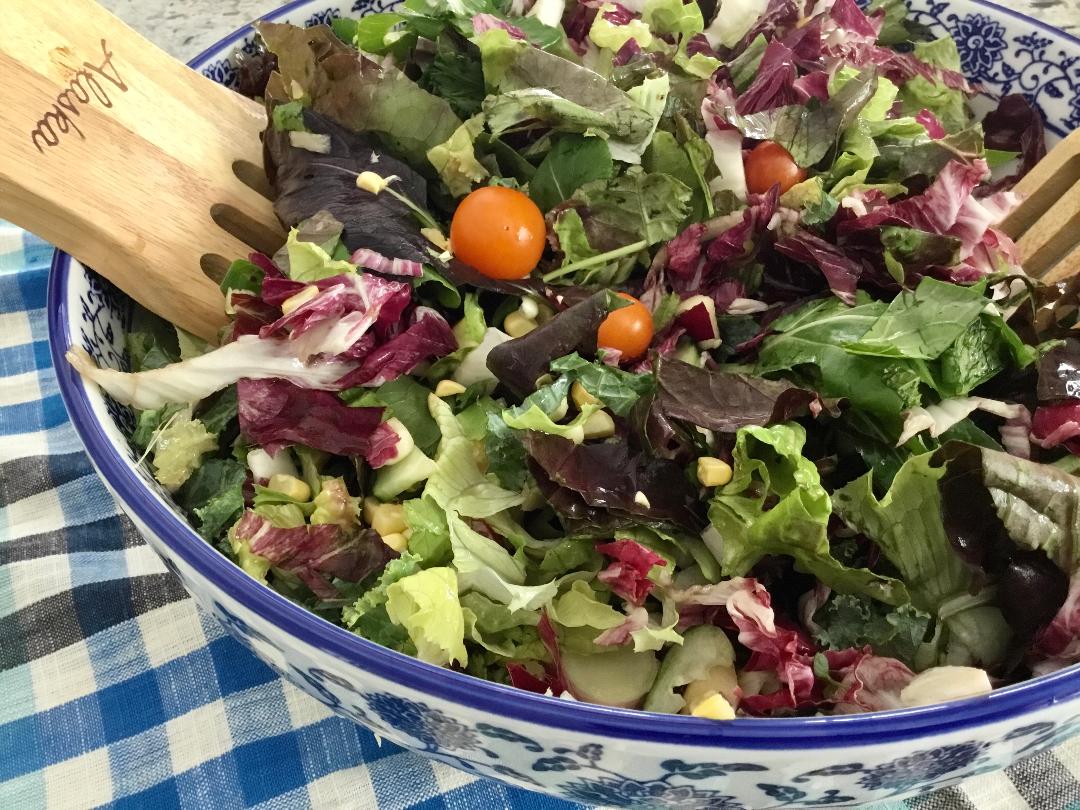
Free Lettuce Salad photo and picture

He still has a lot to learn for his spring planting, but he is enjoying the abundance of greens!

Free Green Salad Head Of Lettuce photo and picture

Why Plant Leafy Greens in Fall?

Leafy greens such as spinach, kale, arugula, lettuces, dandelion, and Swiss chard thrive in cooler temperatures.

Leafy greens provide important health benefits: 

Nutrient-Rich Powerhouses

  • Leafy greens are packed with essential vitamins and minerals. Spinach is rich in iron, kale boasts high levels of vitamins A, C, and K, while Swiss chard provides magnesium and potassium.  
  • Greens such as kale and collard greens are rich in calcium and vitamin K, important for maintaining strong bones as we age.
  •  Incorporating these greens into your diet may help boost your immune system as winter approaches.

  1. Quick Harvest: Many leafy greens are quick to mature, allowing you to enjoy fresh produce in just a few weeks. This is especially rewarding in the fall, when the first frost can sweeten the leaves, enhancing their flavor.


Storing My Pickings

Since I only go to his garden once a week, I needed to know how long the greens would stay fresh in the refrigerator. This is what I found to help them maintain their freshness: 

  • Lettuce: up to 1 week. Store in a plastic bag or container to retain moisture.
  • Swiss Chard: up to 1 week. Wrap loosely in a damp paper towel and place in a plastic bag.
  • Spinach:up to  5-7 days. Keep it in a breathable bag in the vegetable drawer.
  • Dandelion Greens: up to 3-5 days. Store similarly to spinach for best results.
  • Kale: up to 5-7 days. Use a perforated bag to maintain humidity without causing rot.
Free Kale Fresh photo and picture
Kale 


Anti- Inflammatory Salad - this is a wonderful fall salad made with lettuce, kale, chickpeas, celery, red cabbage, roasted butternut squash and some other vegetables. Why not try it? It's a powerhouse of nutrients and tastes delicious.  It goes great with a bowl of quick and easy carrot ginger soup.

anti-inflammatory salad


Do you plant a garden? Do you re-plant crops for the fall? Any suggestions on the radishes? 

Saturday, August 24, 2024

The Origin of Buddha Bowls And How to Make One

bowl of vegetable salads, Buddha Bowl,

Have you ever made a Buddha Bowl for lunch? These versatile bowls are healthy, filling, and delicious. But do you know the beautiful story behind the origin of these plant-based meals in a bowl?

Sunday, June 23, 2024

Scrambled Tofu With Wilted Greens


tofu and greens on a plate

Are you a fan of tofu? You might enjoy this scrambled tofu which is the plant-based eater's scrambled eggs! It can be served as a breakfast or lunch food and is high in protein. 

Tuesday, August 9, 2022

Mason Jar Salad Prep- A Real Time Saver

large salad

Are you pressed for time or energy, but still want to eat healthy salads and meals? Finding ways to eat healthier may require finding ways to prep smarter. Mason Jars are the answer for me.

I love eating salads, but I hate the mess and the prep of making them daily. My solution is to make one GIANT salad on Sunday and divide it into mason jars for the next 5 days. 

Monday, October 18, 2021

Italian Escarole Soup- Vegan

escarole soup, oil-free soup, gluten=free soup


Have you heard of escarole but never cooked or tasted it? 

My husband's Italian grandmother, born in Livorno, Italy, used to make escarole soup. She is the inspiration behind this simple family favorite. It cooks up very quickly and can me prepped, cooked, and enjoyed in under 25 minutes.

Friday, April 16, 2021

Miso Soup With Greens- -Oil Free


Miso soup is quick and easy to make and is tasty and healthy. 

It simply involves purchasing a container of miso paste (There are many varieties). I buy a variety that is organic and gluten-free. It could be made from soybeans, chickpeas or other beans and may be red, white, or yellow in color. The last time I bought a container, it was made from chickpeas and it was white. I found it at Whole Food markets.

On other occasions I have bought miso made from beans.

 Gochujang, Miso, Maryland State

Miso paste is flavorful on it's own and makes a tasty broth. On occasion, I have just made the broth, which takes no more effort than making a cup of tea. I simply topped it with chopped scallions. 

 
Miso Master Miso Mellow White Organic, 16 oz

This miso soup includes greens. My favorite green is baby bok choy which is also sold by the pound at Whole Food markets. Of course you could also find any of these items in an Asian supermarkets. 

Bok Choy, Greens, Cabbage, Vegetable

Regardless, this is also a very easy recipe and a very healthy recipe. 

Spoons, Chinese, Stacked, Soup

Greens are a vital part of any diet and provide alkalinity and calcium with very few calories, zero fat, and good fiber. In addition, greens can help the liver detox. If you do not have bok choy, you can use another green such as baby kale.

Miso paste is a fermented food which provides essential bacteria to our gut which in turn helps our digestion. Miso paste also contains B vitamins, folic acid, vitamin E, and vitamin K.
 
To preserve the nutrients in miso paste, never boil it. Add the miso after the broth finishes cooking. 

How to add miso paste to soup
Use a small mesh colander and a tablespoon of miso paste per 8 ounces
1. Place a tablespoon of miso paste into a small fine mesh colander. 
2  Remove the soup from the stove
3. Place the colander into the soup
4. Using the back of a tablespoon, rub the miso paste through the mesh colander into the soup. 
5. Use a tablespoon for 8 ounces of soup

Ingredients
4 cups of water
4 tablespoons of organic miso paste 
1 cup of chopped scallions
1 cup of chopped bok choy or kale 
1 cup of chopped spinach
Cracked pepper 

Variations: 
Optional: 1 cup of sliced carrots added with bok choi
Optional: if you like soup with a kick, you can always add a chili pepper with the bok choy.. 

Directions: 
Add water and bok choy to a small soup pot. Bring to a boil and simmer for 2 minutes. Add spinach and cracked pepper. Follow the directions for how to add miso to soup
and add the miso to the soup, Top with scallions and serve.


Sharing on Deb's Souper Sunday 


Tuesday, December 1, 2020

Egyptian Molokhia (molechaya) Soup


Molokhia soup

Yum! We love this soup! Molokhia is the Arabic word for a soup made from jute leaves which are a highly nutritious greens that are very popular in Middle Eastern countries. Once again, I am sharing one of my mother-in-laws authentic recipes.

Friday, February 28, 2014

How to Cook Beet Greens

                         
                       beet greens


Beet Greens??? 
Yes, you can eat the greens of beets and they are tender, mild, and delicious. Where do you buy beet greens?????

The only way I've ever seen beet greens has been attached to organic beets. I'm embarrassed to admit that for years I didn't know that you could eat the greens, and I used to cut them off and throw them away!! 

Who knew the green tops were not only edible, but are really delicious and nutritious. They contain a good amount of Vitamin A , Beta Carotene and Lutein ( all excellent nutrients for healthy eyes) . And these mild tasting greens are low in calories.

So, Now when I buy beets, I look forward to also eating the greens.

 To prepare the greens,  I simply wash them, chop them, and saute them in a little olive oil spray. They wilt quickly and are ready in minutes. I don't even season them; they don't seem to need any seasoning. They are tender and mild tasting, and like spinach, they cook down to 1/4 their original size.

With just one purchase, you will have 2 vegetables for the price of one: The beetroot and the beet greens! I only buy organic beets for 2 reasons.
  •  Regular beets ( as opposed to organic)  are usually Genetically Modified (very very  scary) see article.
  •  Secondly-  organic beets are free of most pesticides.
So next time you buy beets, buy organic and save and saute the beet greens. It makes sense and they are a real treat!


Additional Beet Recipes:


   This is one of my favorites. I give an easy and mess free cooking method and
   a simple recipe for the oranges and beets in this post. 
       
Beet and Orange Salad


Once you turn on the oven to roast vegetables, you can dream up all kinds of mixtures. One of my favorites is this sweet combination of roasted acorn squash, cranberries, apple, and beets. Perfect anytime of the year, but especially in the winter or fall when acorn squash is plentiful.
                      Winter Squash and  Roasted Beets 


roasted beets and acorn squash
.
Finally, beets make a delicious cold or hot soup. Mixed with sour cream or Greek yogurt, this rich red soup turns a delicate hue of pink.,, borscht is the soup of longevity according to my Russian ancestors who lived into their 90's and my grandmother lived to 107!! all Eating borscht- a traditional Russian soup.


beet borscht
Homemade borscht

Pin It Please leave a comment so I know you stopped by. Scroll down to the end of the post and click on comments.

Saturday, August 4, 2012

Juicing Is My Self Care When I'm Run Down or Stressed


Why I Juice Instead of Making Smoothies

Juicing  Feels Like Self-Care When My Body Needs Support

Although they’re often grouped together, smoothies and juicing are very different.

Smoothies are made by blending whole fruits and vegetables, which means all the fiber stays in the drink. That fiber is healthy, but it can also be harder on the digestive system, especially if your digestion isn’t at its best.

Juicing, on the other hand, uses a juice extractor to remove the fiber and bulk, leaving behind a clear, light liquid. This allows the vitamins, minerals, and phytonutrients to be absorbed almost immediately—no heavy digestion required.

When you’re worn down, stressed, or overwhelmed (which many of us are), that quick nourishment can make a noticeable difference.

And in a world full of processed foods, environmental toxins, and chronic stress, fresh vegetable juice can be a simple, powerful form of daily support.


Free Smoothie Nutrition photo and picture

Juicing Makes Nutrients Easier to Absorb—Especially for Digestive Issues

If you have celiac disease, gluten intolerance, IBS, or other digestive challenges, you may not be fully absorbing nutrients from the foods you eat—even if your diet is healthy.

This is where juicing really shines.

Because the fiber has been removed, the nutrients in fresh vegetable juice are nearly 100% absorbable. Adding just one daily green juice can help support energy, digestion, and overall vitality.

If you’ve been feeling depleted, this small habit may have a surprisingly big payoff.


The #1 Reason People Give Up on Juicing: The Clean-Up

Let’s be honest—the clean-up is what turns most people off.

But here’s the good news: it doesn’t have to be a big production.

I’ve been juicing for years, and from start to finish—including clean-up—I can make a fresh glass of vegetable juice in about 6 minutes.

My trick? I clean the juicer immediately after using it with a water sprayer. Everything rinses right off, and most of the parts go straight into the dishwasher.

Six minutes is a pretty small investment for the daily health benefits fresh juice provides.


Free Carrot Juice Glasses photo and picture

Raw Vegetables Contain Powerful Enzymes

One of the biggest advantages of fresh juice is the natural enzymes found in raw fruits and vegetables.

These enzymes support digestion and overall health, but they’re fragile. That’s why it’s best to drink your juice right away, while the enzymes are still active and intact.


Here’s Why I Juice

Fresh vegetable juice provides:

  • Antioxidants, vitamins, minerals, enzymes, and natural detoxifiers

  • Nutrients that are easy to digest and quickly absorbed

  • A noticeable boost in energy

  • Immune-supporting compounds

  • Powerful antioxidants that nourish and protect cells

  • Support for the body’s natural detoxification process

And honestly? When I drink a glass of freshly made green juice, it tastes incredibly pure—and it just feels healthy.


A bunch of celery sitting on top of a table

Why Fresh Juice Is Far Better Than Store-Bought Juice

No bottled, frozen, canned, or packaged juice compares to freshly extracted vegetable juice.

Store-bought juices are heated and processed to extend shelf life. That process destroys many vitamins, minerals, and enzymes—the very things we’re drinking juice for in the first place.

Some of the most nourishing juices come from vegetables like:

  • Cucumber

  • Kale

  • Collard greens

  • Romaine lettuce

  • Celery

  • Parsley

  • Carrots

But their benefits are highest only when the juice is fresh and consumed immediately.


How to Make Fresh Juice


There are many juicing machines available on the market that make fresh juice in a matter of minutes.
  • Step 1:  Buy an electric juice extracting machine like a Breville or a Braun

     Juicing extracting machines are available on amazon -  juice extractors
    Prices range from around $50-$300; you can get a decent juicer for about $79-$99
    ( Also check out yard sales; many people get juicers as gifts and try them once or never even open the box. I got a brand new one at a yard sale for $10 from someone who never used it)

  • Step 2:  Read the consumer reviews below each machine before purchasing  a juicer 

  • Once you have a machine,  follow the manufacturer's instructions and make fresh life giving  juice in just minutes

Why I always juice  healthy greens such as romaine lettuce, kale, collard greens and or celery.


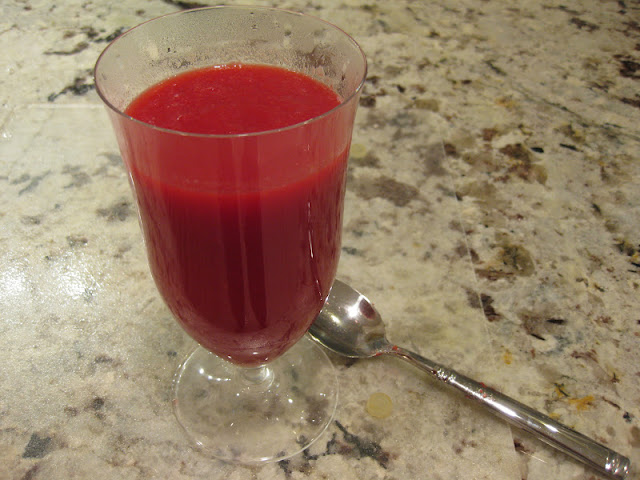
I always use organic carrots as my main base and add romaine lettuce, cucumber, celery, 1/2 organic apple. This combination is rich in beta carotene and chlorophyll.

Green juice is not for those that are not accustomed to eating greens. In the beginning you may want to stick to a milder drink of carrots, cucumber, apple, and a little romaine. Dark greens like dandelion greens, collard greens, and kale can be very pungent, so go easy in the beginning. 
You can also add a clove of fresh garlic or ginger if you are under the weather.

A chlorophyll rich drink with carrots, romaine lettuce, dandelion greens, and apple.

If you are new to juicing, Here is a good juice: 
start out with 3-4 large organic carrots, 1 small organic apple, 2 stalks romaine lettuce in the beginning. As you become accustomed to juicing greens, add dandelion greens, kale or parsley.


Detoxify the Blood Stream with Dark Greens: 
Dark leafy greens contain the pigment chlorophyll, which gives greens their dark green color. This pigment absorbs energy from the sun during photosynthesis and is a wonderful cleanser to help detoxify toxins out of our system. 

With Less Toxins, it is easier to lose fat stores

Because the body holds onto excess fat in an effort to defend itself against toxins, it makes sense that the more dark leafy greens you consume to eliminate toxins, the less fat your body will need to accumulate for protection. 

Boost the Immune System: 

Dark leafy greens provide potent antioxidants and essential vitamins and minerals. 

Amino acids: 


The amino acids in greens are the very building blocks needed for the body to make protein, which of course is needed to build strong muscle. 

Aids Digestion: 


Greens also stimulate enzyme production which is needed for proper digestion of foods. If you digest your foods properly, this may help eliminate bloat, puffiness and even allergies related to improper digestion of foods. When you are bloated, puffy and have allergies, you tend to hold onto water weight. 
Start your day with a glass of fresh juice and flood your body with easy to absorb nutrients
                                            A link to a variety of  juice extractors


There are many good books on juicing that might be helpful to find recipes and the specific health benefits of certain vegetables, Here are some suggestions:
Books on Juicing  - This is a full list of books, e-books, and kindle books available online.

Here are some highly rated books to get started.
The Everything Juicing Book

Your Comprehensive Green Juicing Guide

Juicing Life Guide Benefits

Disclaimer: I am not a medical doctor and am not trying to diagnose or treat disease. This website is for educational purposes only. Consult your physician before making any changes in your diet.


Pin It

Printfriendly